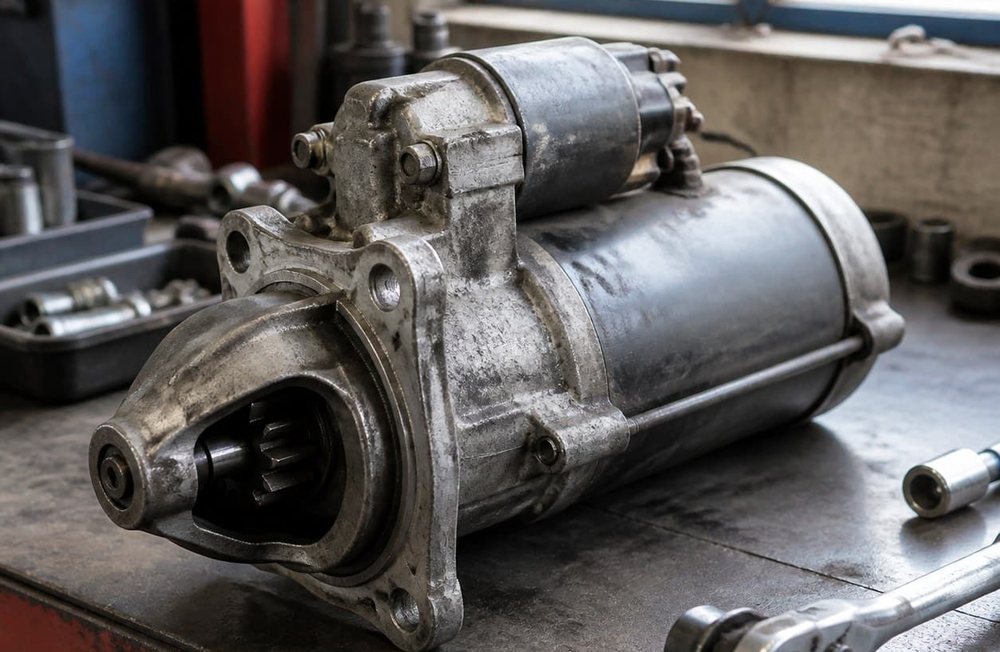
/Starting systems
How the starter motor does its job, what wears out and fails, and how to test a starting fault properly instead of swapping parts and hoping.
/Training
Hands-on training in starting and charging systems, from understanding your own vehicle to building a trade. Practical, workshop-based, and open to complete beginners.
4.8 rated on Google from 418 reviews · Aston, Birmingham
/Who it’s for
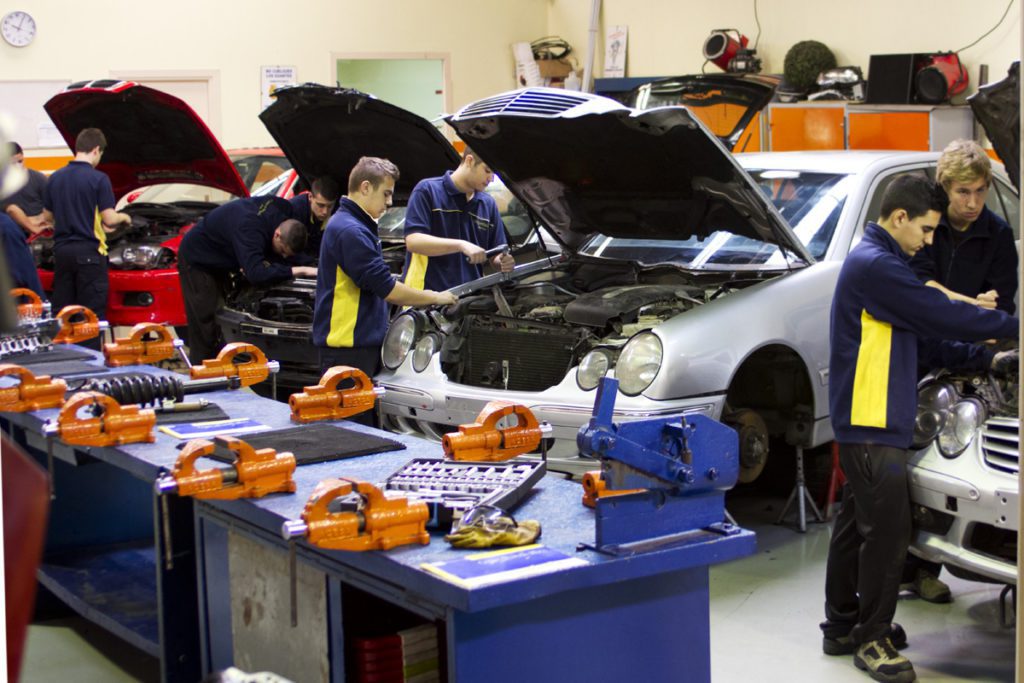
People come to the bench for different reasons. The training is practical either way — you learn by working on real units, not by watching slides.
Build practical knowledge of starting and charging systems, so you can diagnose problems, maintain your vehicle and avoid costly guesswork.
Never picked up a multimeter? Beginners are welcome. Training starts from the basics and builds up at the bench, one real job at a time.
Hands-on, workshop-based training that gives you the skills and confidence to work on auto electrical systems professionally.
/What you’ll learn
Four core areas, all taught on real starter motors, alternators and vehicle systems at the bench.
How the starter motor does its job, what wears out and fails, and how to test a starting fault properly instead of swapping parts and hoping.
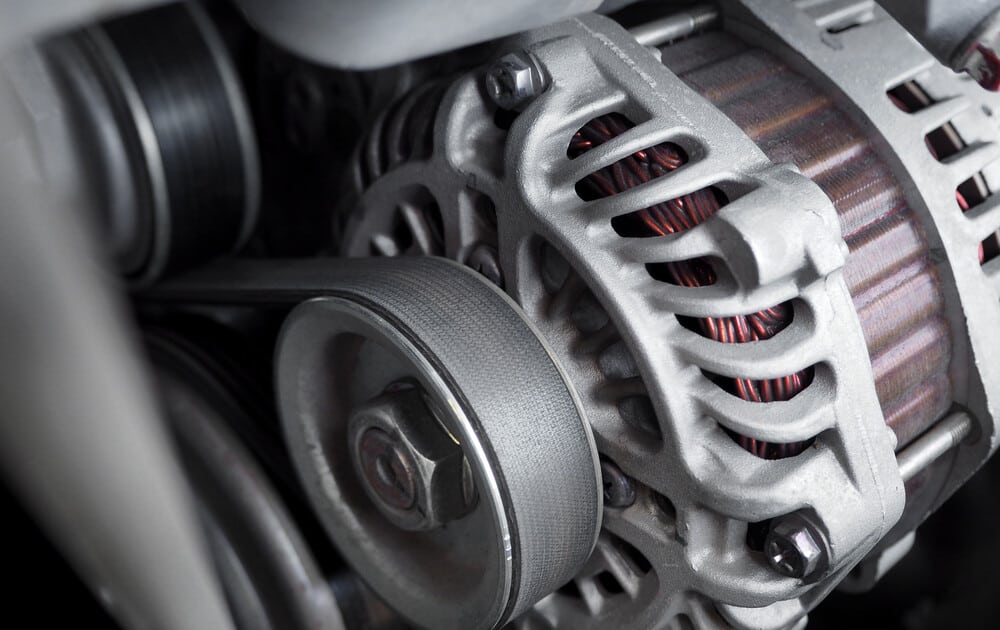
How the alternator keeps the battery charged, how to recognise charging faults, and how to prove whether the alternator, the belt or the battery is really at fault.
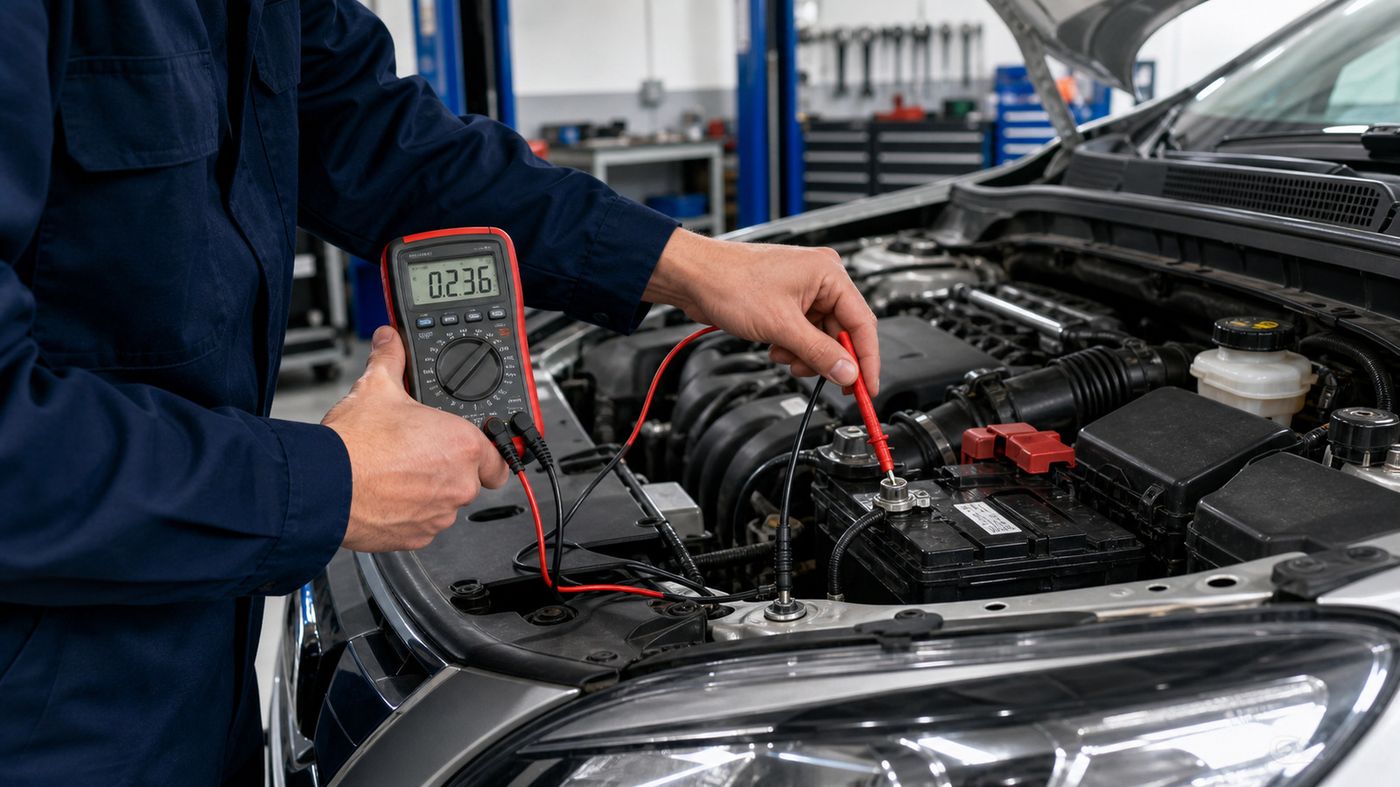
A methodical way to find electrical faults: test, measure, and follow the evidence with a multimeter before reaching for the parts catalogue.
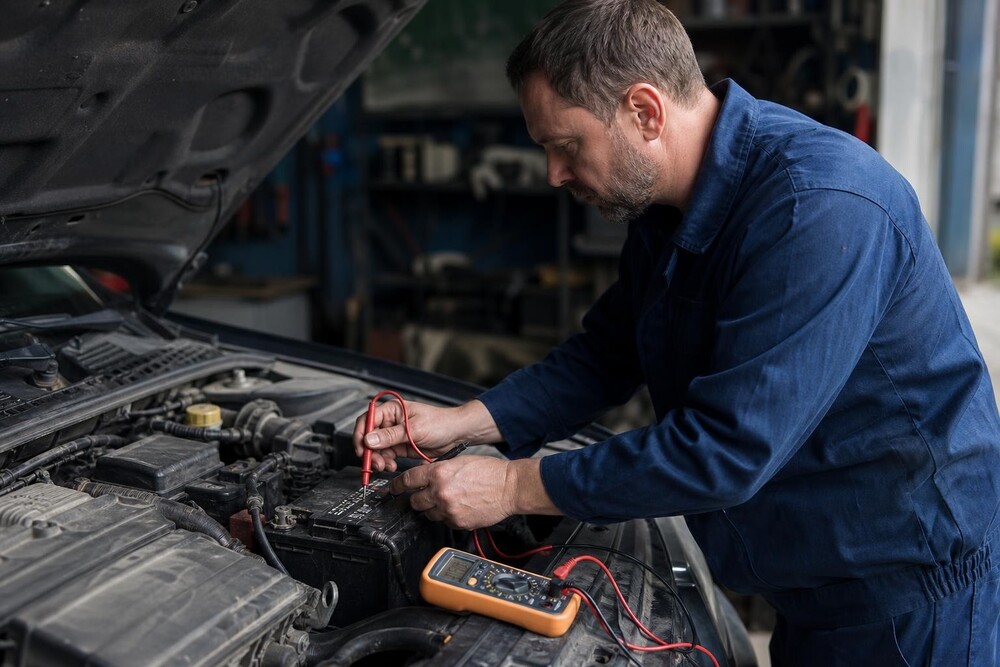
How to test a battery honestly, spot a parasitic drain, and trace the wiring and connection faults that cause so many starting problems.
/How training works
1/
Training happens in a working workshop, at a real bench, with real starter motors and alternators in front of you — including faulty ones.
2/
You do the work yourself: strip, test, measure and diagnose, with guidance while you go. Small groups mean there is time to ask questions.
3/
By the end, you understand the system — not just the symptoms — whether you came to look after your own vehicle or to build a trade.
Call the workshop to talk about training — whether it’s for your own vehicle or the start of a trade.